Santri in the Global Era: Mastering English Without Losing Our Identity
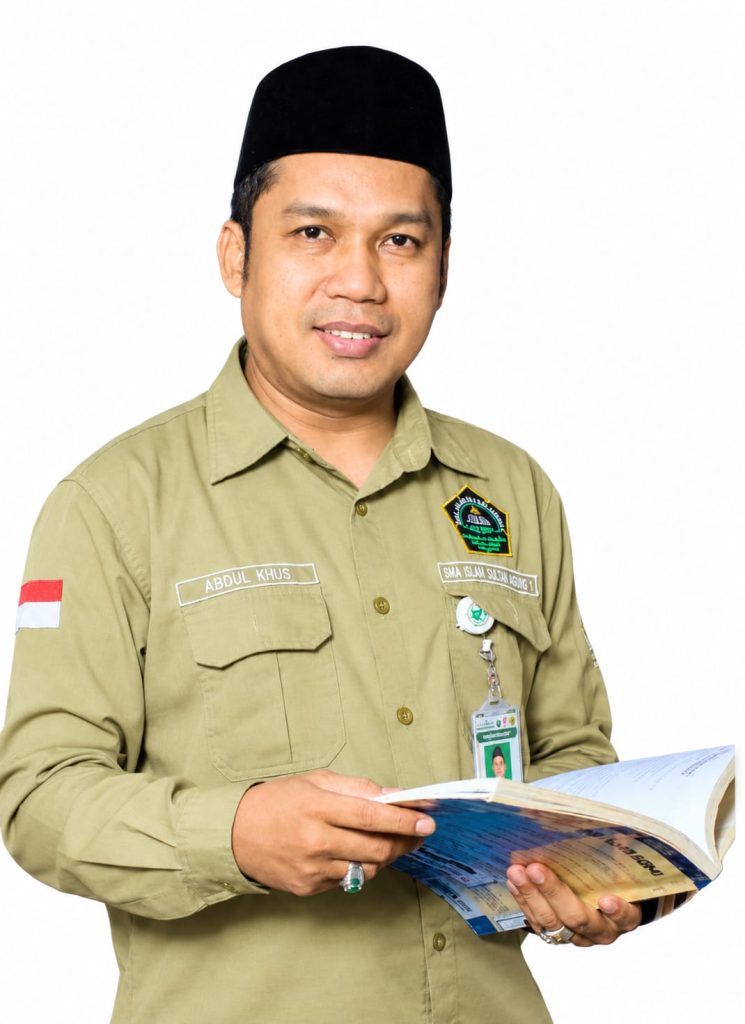
Penulis : Abdul Muis, S.Pd., M.M.
Islamic boarding school students, commonly known as santri, have an important role in shaping the future of Indonesia. National Santri Day, celebrated every October 22, reminds us of the significant contributions of santri to the nation’s history, education, and independence. Today, young people face new challenges as the world becomes increasingly connected through technology, communication, and education. In this global era, mastering English is an important skill that can open doors to knowledge and international opportunities. However, learning a foreign language should never mean forgetting our cultural roots, religious values, and national identity.
English is widely used as an international language in education, science, technology, and communication. By learning English, students can access a wider range of information, exchange ideas with people from different countries, and prepare themselves for future opportunities. For santri, English can also be a valuable tool to introduce Indonesian culture and the peaceful values of Islam to the international community. They can explain their traditions, share positive experiences, and build meaningful connections with people from different backgrounds. Therefore, English proficiency should be considered an essential skill that supports both personal development and social contribution.
Nevertheless, mastering English is not the only goal of education. Students must also develop good character, respect others, maintain honesty, and demonstrate responsibility in their daily lives. These values are closely related to the principles of Islamic education, which emphasize the importance of knowledge, manners, and noble character. In learning English, students can practice not only speaking and writing but also listening respectfully, expressing opinions politely, and appreciating cultural differences. By combining language skills with strong moral values, students can become confident communicators who respect others without abandoning their own principles.
Schools and teachers have an important responsibility to prepare students for these challenges. English teachers, in particular, can create meaningful learning activities that encourage students to communicate confidently while developing their critical thinking and cultural awareness. For example, students can give presentations about Indonesian traditions, introduce local historical figures, or discuss positive values found in their communities using English. Such activities help students recognize that their local culture is worth appreciating and sharing with the wider world. Through these experiences, learning English becomes more than a classroom activity; it becomes a way to develop confidence, broaden perspectives, and strengthen national pride.
In conclusion, National Santri Day provides a valuable opportunity to reflect on the importance of balancing global competence with strong personal identity. Santri and other Indonesian students should be encouraged to master English, embrace technological developments, and explore international opportunities while remaining committed to their cultural and religious values. Being globally competitive does not mean abandoning our roots, but rather having the confidence to represent them proudly on the world stage. With knowledge, good manners, strong character, and effective communication skills, young people can make meaningful contributions to society. Let us become a generation that is knowledgeable, morally grounded, and ready to face the world without losing our identity.